For generations, grassroots football has been at the core of local communities. But nothing stays the same forever and people’s expectations of what they want from the game are shifting.
The Football Association’s (FA) aim is to “create new and varied playing opportunities so everyone can enjoy the game in a way that suits them.” Many clubs already know this: football doesn’t have to be one-size-fits-all. Some players love weekly training and weekend matches; others need something more flexible.
For grassroots football clubs, offering choice means more than keeping current players happy. It’s about recruitment, retention and accreditation too. By adapting formats, listening to families and widening your offer, you can grow numbers, strengthen community ties and create a healthier club for the long term.
Why choice and player opportunities matter
Recruitment, retention and sustainability
Every grassroots club knows the challenge of recruitment. Finding enough players to fill the team sheet can feel like a constant battle. Retention is important as well; after all, there’s little point bringing in new players if others are drifting away.
Our Big Grassroots Survey Report 2025 found that players leave grassroots football for all sorts of reasons and it’s often not about cost or travel – it’s because they’re looking for something else.
But when grassroots football clubs offer flexibility, they become more appealing to players. People considering signing up can see a club that fits into their lives. And existing members experience a strong club where players can enjoy the game without the pressure. The result? Sustainability.
Player development
Not every player thrives in the same set-up. Some flourish in league games, others in casual or mixed formats. Offering alternatives helps players build skills, confidence and a lasting love of the game.
Inclusion and diversity
Football should be for everyone. Yet traditional pathways can feel excluding for women and girls, disabled players and newcomers. Actively encouraging girls and women into the sport and supporting previously marginalised groups shows your club is open, welcoming and adaptable.
Top tip: Run a short survey of parents and players. Ask what they enjoy most, what formats they’d like to try and how they feel about the club. You’ll spot player opportunities, fix issues early and show families that their views matter.
10 tried and tested grassroots football formats to try at your club
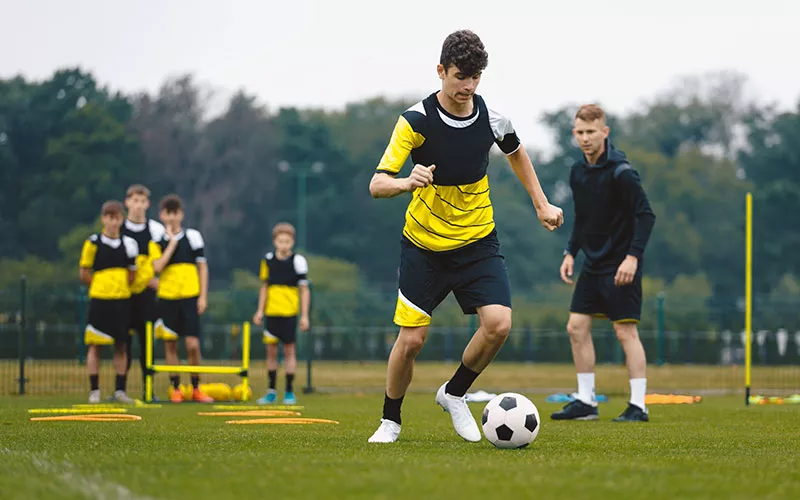
There’s no single way to expand grassroots player opportunities. What works for one club may not for another. Here are some ideas to get you started:
1. Drop-in sessions
Turn-up-and-play football removes the pressure of commitment. People juggling lots of activities can keep football in the mix, even if it’s just once a fortnight. And children who are trying different sports may find these sessions are a perfect stepping stone into club life.
- Benefits: Removes commitment barriers, attracts new players, builds pathways into permanent teams and coaches often scout great new players
- Challenges: Requires reliable communication so it is clear when and where sessions are taking place
2. Off-season options
While some players welcome the summer break, others miss the routine and social contact of regular sessions. Consider offering activities throughout the year – summer fitness meetups, skills clinics or masterclasses – to keep momentum going.
- Benefits: Keeps players engaged year-round, reduces drop-off to other sports
- Challenges: Needs volunteer buy-in and careful scheduling
3. Mixed-activity football
During the football season, training doesn’t always have to be drills and match play. Combining football with circuits, athletics and light-hearted games can make practice sessions fresh.
- Benefits: Engages players who prefer variety, builds fitness and keeps it fun
- Example: Warm up with short sprints or relay races, then move into small-sided football challenges
4. Short-format football leagues or festivals
Mini tournaments during school holidays or half terms are a fantastic way to give current and new players a taste of competition without the pressure of a full season.
- Benefits: Easy to promote, great for junior football league recruitment and creates buzz in the community
- Top tip: Invite neighbouring clubs to join – great for building relationships and boosting participation
5. Street-style or cage football
Unstructured, creative football formats mirror how many children naturally play. Think smaller pitches, faster rotations, music and freestyle skills.
- Benefits: Appeals to children who enjoy flair, freedom and creativity
- Challenges: May need to find suitable facilities
6. Family football
Why not let parents and siblings join in? Modified games and tournaments where families play together (or against each other) create memories and build community spirit.
- Benefits: Engages whole families, introduces siblings to the sport and encourages new parent volunteers
- Example: Family Football Sunday where youth players, siblings and parents all take part; tie in a barbeque and it makes for a rewarding and sociable afternoon
7. Girls-only flexible sessions
Dedicated football sessions for girls are vital for building confidence and participation. Relaxed drop-in formats allow girls to try football out before moving into club play if they wish.
- Benefits: Increases female participation, creates safe spaces and builds pathways into women’s football
- Top tip: Recruit female coaches and volunteers, use inclusive slogans and include images of girls playing football on your website
8. Digitally-integrated football
Apps, wearables and gamification are increasingly popular with young players. Tracking goals, skills and distances adds a fun competitive layer that many enjoy.
- Benefits: Appeals to tech-loving children, makes progress visible and supports self-motivation
- Example: Goal Station combines smart equipment (rebounders, lights and sensors) with an app to track skills. It gamifies practice by giving players measurable feedback, rankings and progress data, and helps coaches monitor development.
9. Buddy system
Settling into a new club is easier with a friendly face. Pairing each newcomer with an experienced teammate gives them instant support and helps them feel at home.
- Benefits: Boosts player retention, builds friendships and strengthens team spirit
- Example: At some clubs, captains or senior players act as mentors – introducing new recruits, checking in at training and answering questions
10. Inclusive formats for children with disabilities
Every child deserves the chance to enjoy football. Adapted formats like shorter sessions and walking football can make the game accessible.
- Benefits: Increases inclusivity, builds strong community ties and fulfils FA priorities
- Top tip: Work with local disability organisations to shape sessions around real needs
Check out what other clubs in your area are offering, what works for their teams and what doesn’t. Learn from your competitors’ wins and mistakes, but don’t just copy them. See what works, adapt it and put your own stamp on it. Take the lead.
“To get more girls engaged in football, seek support from your local FA to start up Wildcats centres and use social media to promote these sessions. Keep them free, keep them fun and when you have enough attending regularly, create a team. Once you have one team, the next one will follow. Encourage more participation from female coaches by offering a mentorship program from established coaches, giving them the skills to manage a team whilst being supervised.”
Justin Gale – Chairman of FC Abbey Meads
How recruitment shapes the future of your grassroots club

Improving the choices you offer players isn’t just about keeping current members engaged… it’s also a powerful recruitment tool. The more flexible and inclusive your offer, the more attractive your club is to new players and families.
Where do grassroots youth players come from?
What makes football special is how little you need to get started – a ball, some kit and space to kick about. That means your next star could be just around the corner, you just need to know where to look. Here are key areas to focus on when seeking out new youth players:
Schools are the local goldmine
Central hubs for children of all ages and abilities, schools are arguably the most effective pipeline for new grassroots players.
- After-school clubs: Offer to run taster sessions or an after-school football club. This is a fantastic, low-pressure way for children to try football and for your coaches to identify potential recruits.
- PE lessons: Partner with local schools to help with PE lessons, introducing more football activities.
- School assemblies/sports days: Ask to give a brief presentation about your club during an assembly or set up a stall/activity at sports day. Have sign-up sheets ready!
- Flyers and notice boards: Provide well-designed flyers for school notice boards or to be sent home in book bags.
Top tip: Attend school fetes/open days with a Samba goal and target net. Charge £1 for 5 kicks with all money raised going to the school PTA. After each child has paid for their turn, give them a football-related sticker to wear. Scoring can be by target hit and the zone the kick was taken from. After each player completes their turn, add up their total and place them on the leaderboard.
Purchase a gazebo and have it branded in club colours with club logo and website URL on it. Have leaflets displayed on a table with QR codes to your player recruitment form, holidays camps or other events. This whole setup is a win-win, it’s an incredibly effective way to get the club in front of our target audience, helps raise vital funds for the PTA, and ultimately, helps us build a strong, long-term partnership between our club and the school.
Other sports activities bring crossover talent
Football often attracts children who already enjoy other sports, so looking beyond the pitch can uncover a whole new pool of potential players.
- Multi-sports camps: Children attending local multi-sports camps may well be interested in trying football too. Reach out to camp organisers to see if you can promote your club.
- Local community centres: Busy places for active people, parents taking their children to swimming or gymnastics might be open to exploring football as well.
- Non-competing sports clubs: Children who are members of rugby, cricket, swimming, gymnastics or athletics clubs might be looking for an additional activity to try.
Top tip: Work with a multi-sport camp provider (who currently doesn’t offer football as an activity) to engage with their participants by providing a free coaching session or offering a place on football camps you run as a competition.
Think outside the box to extend your reach
Consider other places children spend time:
- Holiday camps: Many working parents depend on holiday clubs and there are more of these than ever before. From art and drama to cookery and woodland adventures, a quick chat with providers could open the door to easy cross-promotion for your football club.
- Youth groups: Serving various age ranges, these are excellent places to connect with children and their families. Examples include scouts, brownies, young farmers and choirs.
- Church and faith groups: Many run weekend activities and holiday programmes, offering a great way to make contact with families in the local area.
Top tip: Speak to the local youth worker in the parish where your club is located and ask about their youth activity programmes. They often run breakout sessions based inside council buildings where you can attend with a small table with leaflets and speak to players and their parents when the sessions start and finish. If any players are interested, invite them for a trial session.
Finding new youth players means going where children already are – schools, other sports and community groups. Each connection is an opportunity to bring football to young people who might not have tried it before. By working with teachers, camp leaders and youth workers, your club can find new players and strengthen its place in the community. And by showing a flexible and inclusive approach, clubs who want accreditation to strengthen their application.
Final thought
Today’s players grassroots football players – children and adults alike – want flexibility, variety and fun. By widening your offer, your club can:
- Recruit more players
- Keep them for longer
- Build stronger community ties
- Support player development in new ways
It’s a win-win for everyone involved.
And the best part? With LoveAdmin managing the admin side, you don’t even have to worry about the extra workload when offering new ways to play.
Ready to see for yourself what LoveAdmin can do?
Contact us for a free consultation and discover how we can help you reduce your admin, earn more and simply work smarter.